



The Plusmo API eliminates these weaknesses. Its main objective is to verify if the phone number presented to it matches the user who is actively using your service at a given time, and all of this happens behind the scenes.
How Silent Validation Works
Our number verification process uses a secure and unique integration with mobile operators, ensuring maximum accuracy and speed
The 4-Step Verification Flow

Token generation and initial query: When a user attempts to access or perform a critical transaction, your backend application initiates the process. This application contacts the AuthServer to generate a one-time security token.

Call to the Verification API: The institution or company (you) generates a query to the Plusmo API, sending two crucial pieces of data: the security token and the phone number to be verified (e.g., $+5491145388773$).

Operator verification (MNO): The Plusmo API, in collaboration with the mobile phone operator, performs a real-time query: "Does phone number $N$ match the user currently connected to this service or device?"

Binary response and authorization: The mobile operator responds securely, confirming with a "Yes" (TRUE) or a "No" (FALSE).
-If the response is TRUE, your institution authorizes access or the operation, knowing with certainty that the number matches the active user.
-If the response is FALSE, a risk policy is applied (e.g., access is denied, a stricter additional verification is requested).
This process guarantees the authenticity and operability of the number, preventing fraud and securing the customer's identity.
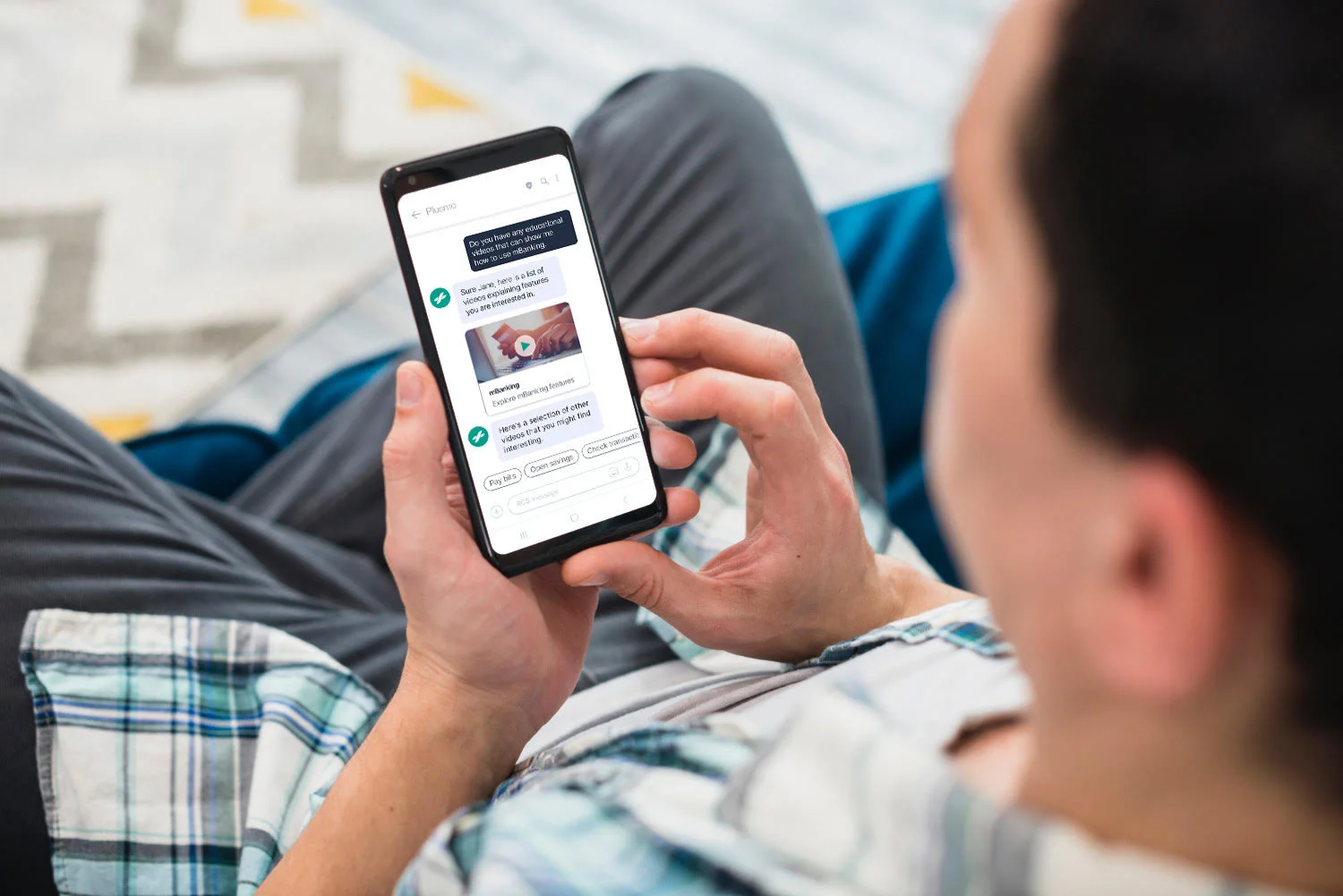
The versatility of the Number Verification API makes it indispensable in various sectors that prioritize security and user experience.
Two-Factor Authentication (2FA) and Account Recovery: Instead of relying solely on an SMS that could be intercepted, use the API for:
-Trust validation: Before sending an OTP, verify that the number is active and corresponds to the user. This is especially useful for countering SIM Swap attacks.
-Password recovery: Ensure that the person attempting to reset a password is the legitimate owner of the number associated with the account.
Onboarding Fraud Prevention: Prevention begins the moment a new customer registers.
-Account registration: Prevent bots or scammers from creating accounts using false, inactive, or disposable prepaid phone numbers. Ensuring the validity of the number improves the quality of your database.
-Churn and spam prevention: Reduce communication costs associated with inactive or invalid numbers, improving the effectiveness of your marketing and mailing campaigns.
Financial Institutions and Payments (Fintech): For any high-value transaction, certainty of identity is crucial.
-Transaction verification: Run a silent verification before authorizing large transfers or changes to credit limits, ensuring the account is being operated by the owner of the associated number.
-Regulatory compliance (KYC/AML): Strengthen your Know Your Customer (KYC) and Anti-Money Laundering (AML) processes by having irrefutable confirmation of the customer's digital identity.