


%202026-03-25-1750x640-20.jpg)
Smart cities are undergoing a new shift: moving from isolated solutions to more complex, integrated architectures in which artificial intelligence (AI) is emerging as the backbone of future urban infrastructure.
The 13th international conference “Smart CitySummit & Expo (SCSE) and Net Zero City Exhibition” in Taipei (Taiwan), where Plusmo participated, made clear a new landscape of solutions reshaping the concept of smart cities to improve services, optimize resource use, and drive the digital and ecological transformation of urban environments, with a focus on sustainability. The exhibition, which brought together representatives from 174 cities across 53 countries and featured more than 2,250 booths, offered a comprehensive view of these innovations.
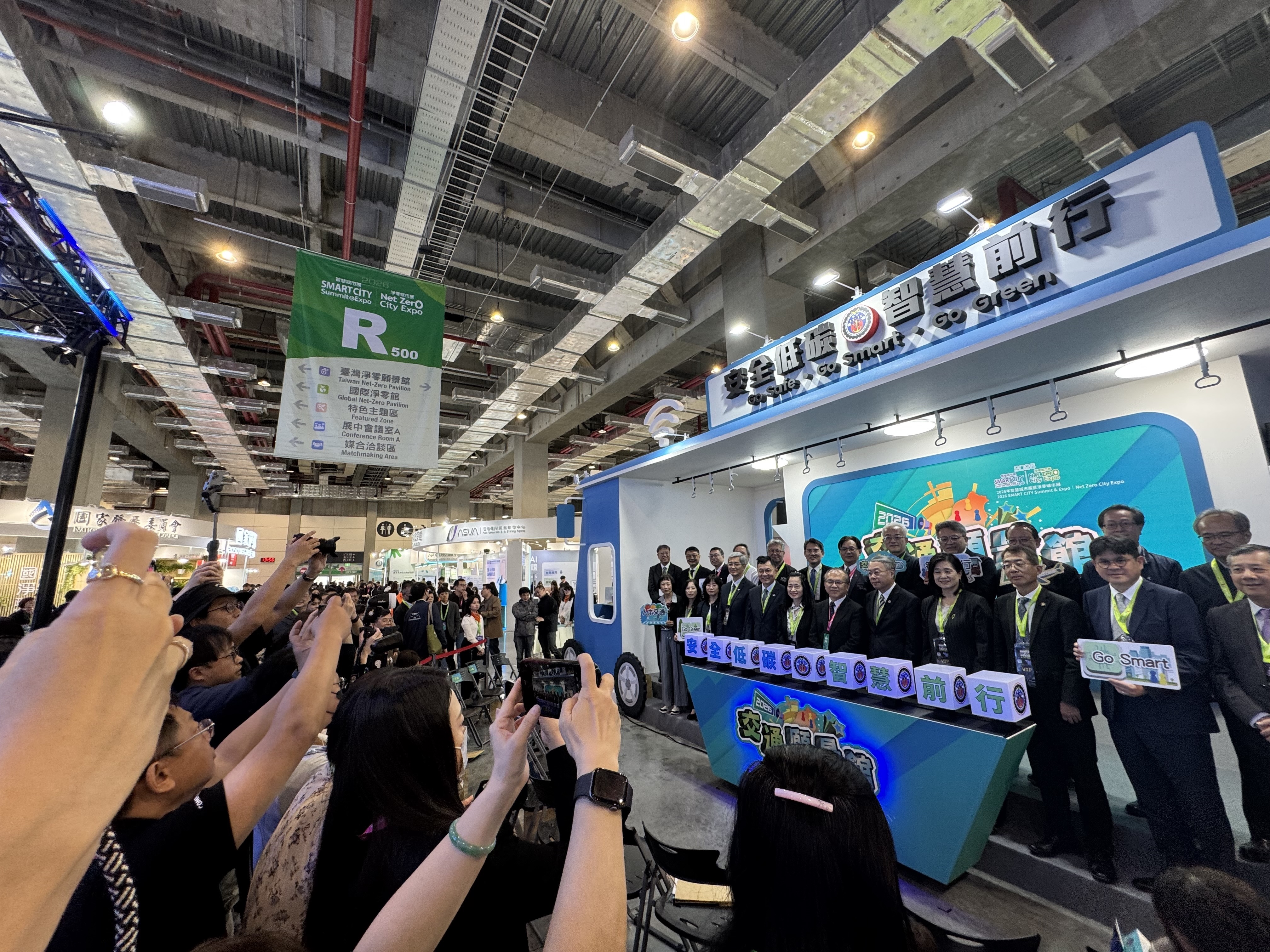
Whereas in the past the concept of a smart city took shape through isolated applications (such as lighting, video surveillance, or traffic management) aimed at improving efficiency, that model is now becoming outdated. The evolution points toward the development of integrated ecosystems centered on AI, cloud, and edge computing, and secure data platforms.
These ecosystems are expected to become the foundation for ensuring urban resilience and the continuous operation of public services through predictive intelligence, real-time monitoring, and integrated digital infrastructure.
This new model “integrates infrastructure, management platforms, and applications into a unified architecture.” In practice, it relies on AI-driven platforms that deliver solutions as a service and combine them into a comprehensive offering.
Based on what we observed at the expo, this approach is grounded in the AIoT (Artificial Intelligence of Things) paradigm, which merges AI and IoT so that connected devices not only collect data but also process it, identify patterns, and make autonomous decisions in real time. This is how traditional technologies such as M2M and IoT are evolving.
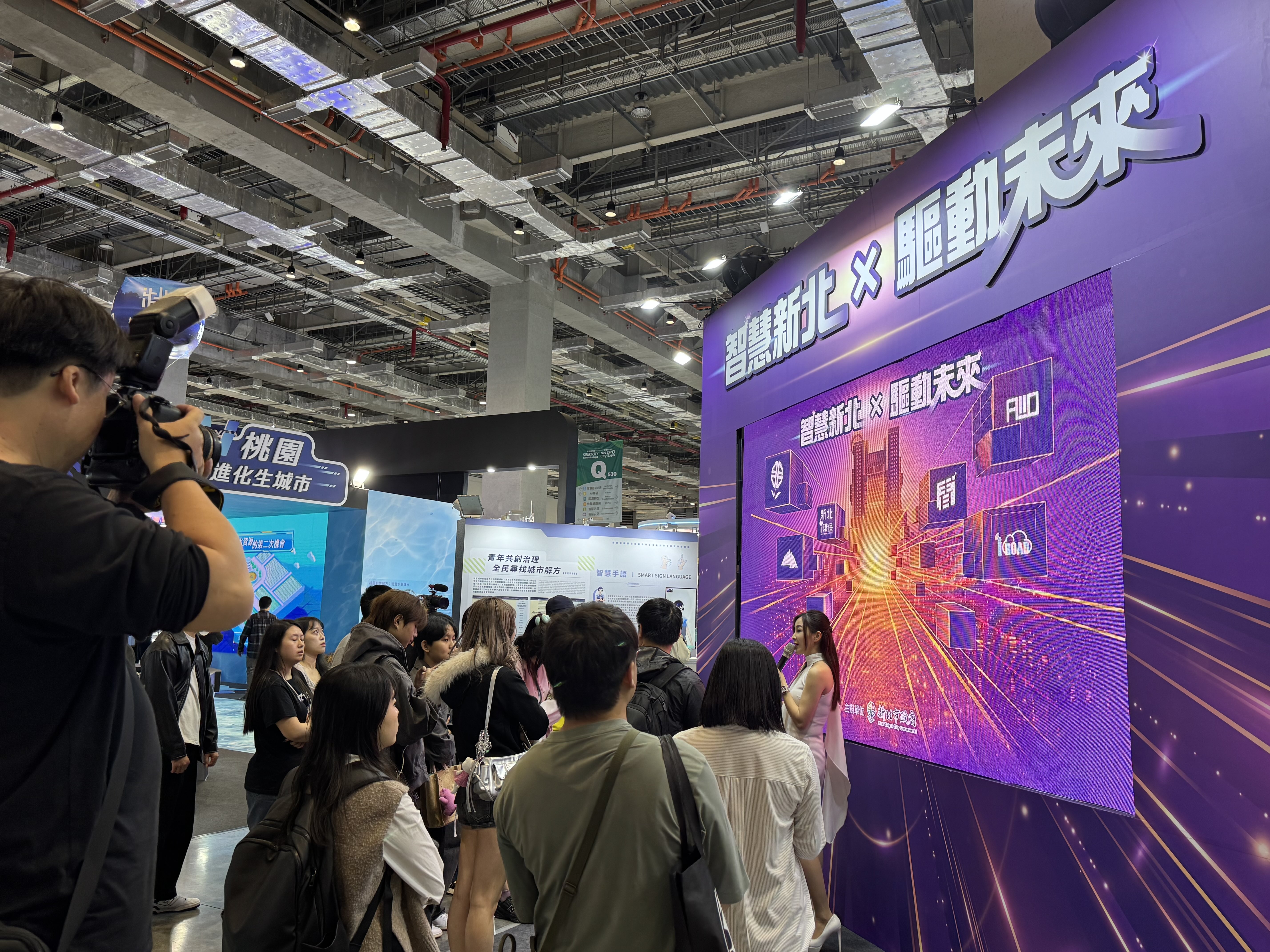
According to studies cited by the event organizers, the AI market for smart cities is expected to grow from USD 50.63 billion in 2025 to USD 460.47 billion by 2034.
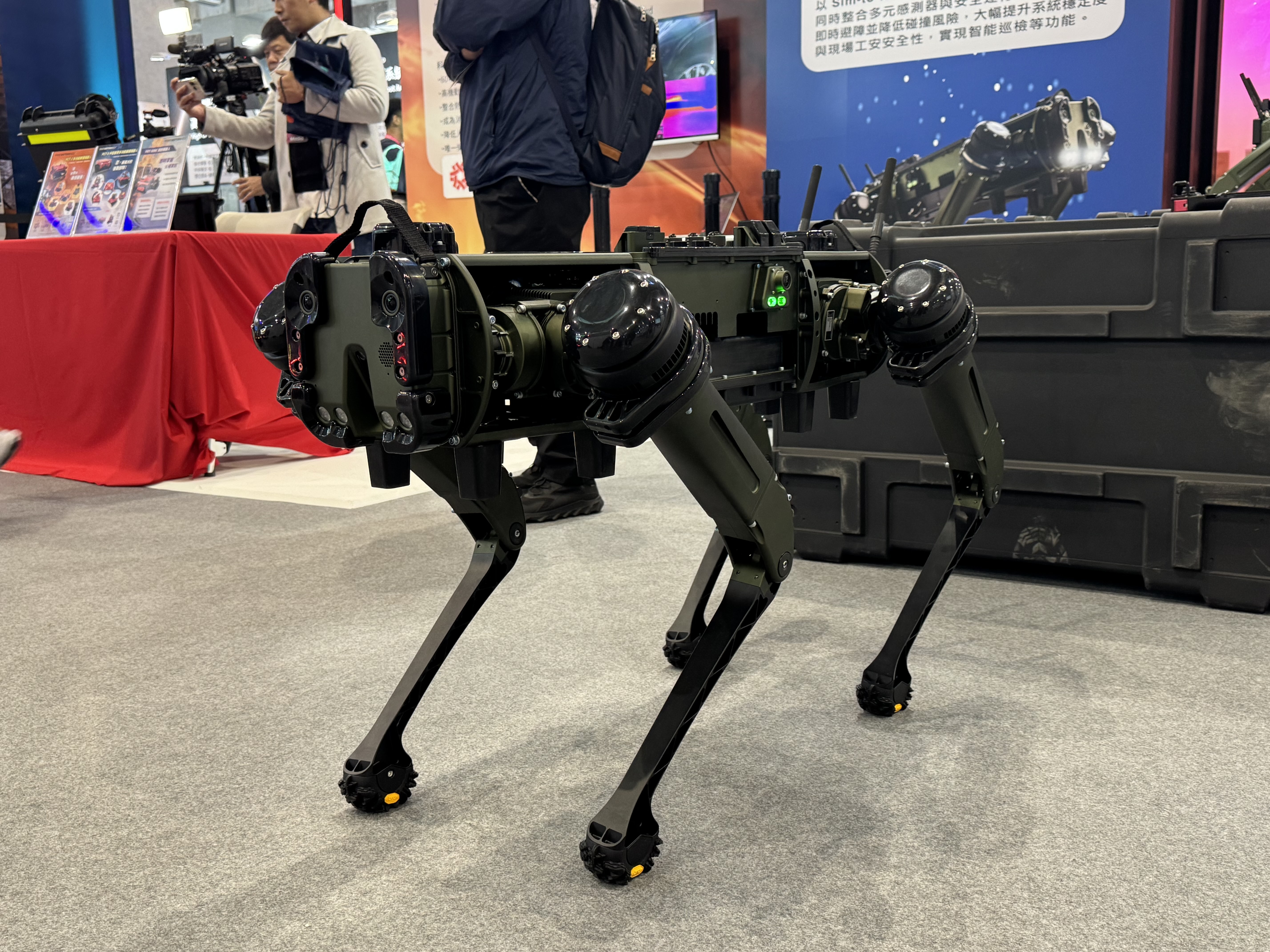
During the exhibition, we also observed a strong focus on robotics applied to public services, infrastructure maintenance, and urban platforms. However, the real challenge of smart cities lies in a less visible but decisive layer: the connectivity of millions of IoT devices that sustain real-time operations
Cities of the future are shaping up to be highly automated and resilient systems. But ultimately, everything depends on sensors, devices, and distributed infrastructure. The challenge, then, is to connect these environments in a reliable and scalable way, addressing concrete issues such as massive deployment, maintenance, operator dependency, and fragmentation—especially in critical sectors such as energy, transportation, and security.
In this context, IoT connectivity emerges as the new “power grid” of the digital city: an invisible yet essential layer. If it fails, everything stops. And if it does not scale, the smart city simply cannot happen.
This is where eSIM plays a fundamental role by enabling remote provisioning and a multi-operator approach. Being integrated directly into device hardware, it enables flexible connectivity to mobile networks, allowing it to switch between operators and ensure higher availability.
This not only improves management efficiency but is also key to ensuring operational continuity and the resilience of urban systems.
In this scenario, urban intelligence will not depend solely on data processing capabilities, but also on the robustness of the infrastructure that supports it. Flexible, secure, and always-available IoT connectivity is becoming a critical enabler of urban ecosystems that cannot afford to stop.
Within this invisible fabric, solutions like those developed by Plusmo under its Connect Your Objects unit simplify connectivity to ensure large-scale operational continuity in smart cities and become a strategic component in making urban resilience possible.